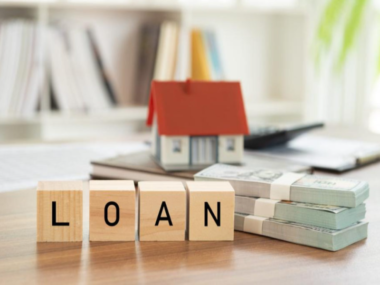
A loan is a cash lump sum from a lender that you pay back with interest. Most loans are for a fixed sum and paid back over a set time but there are more flexible variations.
Some loans are designed for funding specific circumstances, such as:
-
Buying a property
-
Buying a car
-
Doing home renovations
-
Starting a business
When you take out a loan, you are responsible for repaying the amount you have borrowed, as well as any interest and other fees charged by the lender. You usually can’t borrow more money on your loan during the repayment period.
What types of loans can you get?
Secured loans
Secured loans are where the debt is tied to an asset. If you’re unable to repay the loan, the lender can repossess the asset to offset the payment. Mortgages and car finance are examples of secured loans.
They are typically used for long term borrowing, usually for up to 30 years. While this may make your monthly instalments more affordable, it drives up the lifetime cost of the loan because of the interest.
Unsecured loans
Unsecured loans, also known as personal loans, don’t require you to provide extra security, such as your share of equity in your home, to the lender. Instead, your credit rating and financial situation are two of the biggest influencing factors for lenders to consider.
This also means that you’re likely to be able to borrow a lot less with a personal loan, than you would be able to with a secured loan.
Also, remember that rates can vary between different loan types, so it’s important to know what you’re looking for when you compare loans.
Other types of loans you could consider
Car loans
Car loans are usually unsecured personal loans that you can use to buy a car outright, although some lenders offer car loans secured on your home. This means if the car is sold, written off or stolen inside the terms of the loan you will still have to keep making loan payments until the debt is cleared. Conversely, if your loan is unsecured, failing to keep up payments will not directly result in the repossession of your car.
Car loans are different to car finance, which is secured against the vehicle you bought.
Car finance is a secured loan for the purchase of a vehicle.
One of the most common types of car finance is known as personal contract purchase, or PCP.
Most car dealerships offer some type of car finance option. To get a clear idea of the cheapest loan rates, it’s worth doing a loan comparison before you go to the car dealership.
Debt consolidation
Debt consolidation loans are unsecured or secured loans that you use to pay off any more expensive debt you already have. For example, you could take out a loan to pay off your overdraft and credit card debts.
They can help you reduce your monthly repayments, cut down interest charges, and make it easier to manage your finances.
But debt consolidation loans tend to have less flexible terms than things like credit cards and overdrafts. This means it could take you longer to repay and therefore cost more overall.
Bad credit loans
Personal loans for bad credit are unsecured loans for those with a problematic credit history. You can also get secured bad credit loans.
Even the low interest loans for bad credit are relatively expensive compared to a standard loan because the lender may be concerned you will not repay what you owe.
You could have a bad credit score for any number of reasons, including:
-
Having no credit history because you’ve never had credit before, or are from overseas
-
Missing or defaulting on payments
-
Not being on the electoral register
Guarantor loans
Guarantor loans let people with a bad credit score borrow money by naming a family member or close friend as a guarantor. The person you choose is liable to repay the loan on your behalf if you can’t.
Guarantor loans can be secured or unsecured. The guarantor is often required to be over 21 with a good credit history and have a high enough income or an asset to cover repayments.
What to look out for when you compare loans
It’s important to compare loans to make sure that you are getting the best deal on the market for you.
Things to look out for when doing a loan comparison include:
-
APR
-
The repayment period
-
Fixed or variable rate
-
Application time
What happens when you’re approved for a loan?
-
When you’re approved for a loan, the money should be paid directly into your nominated account
-
You then repay the loan in monthly instalments for the course of the agreed term
-
There’s usually a 14-day cooling-off period, during which you can cancel the loan if you change your mind about it
-
You must repay the full amount to avoid penalties
Other forms of borrowing
Other forms of borrowing include; credit cards, overdrafts and store cards.
Aside from overdrafts, these generally don’t give you cash when you take them out, but instead give you credit, which you must pay back some of each month.
Depending on the type of credit card you have, you can continue to spend on them while you’re paying them off. But they have a set limit that you can’t exceed, and you should only ever spend what you can comfortably afford to pay back.