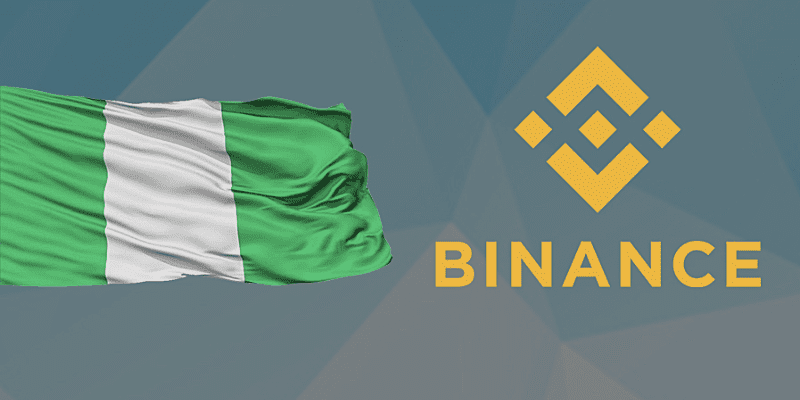
The Governor of the Central Bank of Nigeria (CBN), Olayemi Cardoso, disclosed that approximately $26 billion reportedly passed through Binance Nigeria within a 12-month period. According to the CBN Governor, the transactions involved users and sources that authorities claimed could not be adequately identified, raising concerns about financial transparency and regulatory compliance within the cryptocurrency sector.
Advertisements
Cardoso made the statement during the 293rd Monetary Policy Committee (MPC) meeting held on Tuesday, February 27, 2024. According to him, the large volume of financial transactions flowing through cryptocurrency platforms such as Binance contributed to concerns about illicit financial flows, foreign exchange market instability, and pressure on the Nigerian naira.
“In the case of Binance, in the last one year, 26 billion dollars has passed through Binance Nigeria from sources and users who we cannot adequately identify,” Cardoso reportedly stated during the conference. The CBN Governor suggested that suspicious and unidentified financial flows through cryptocurrency exchanges represented one of the factors contributing to the continued depreciation of the naira against major foreign currencies.
Nigeria has experienced significant foreign exchange challenges in recent years, including currency volatility, inflation, reduced foreign reserves, and pressure on the official exchange market. As the naira weakened against the United States dollar, authorities increasingly focused attention on cryptocurrency trading platforms and peer-to-peer exchange systems, which they believed were contributing to speculative trading activities outside official financial channels.
The Central Bank of Nigeria specifically raised concerns about peer-to-peer (P2P), also known as over-the-counter (OTC), cryptocurrency trading marketplaces. According to the apex bank, some traders allegedly used these platforms to manipulate exchange rates and weaken the value of the naira through speculative activities.
Advertisements
CBN officials particularly referenced Binance’s USDT trading marketplace. USDT, commonly known as Tether, is a stablecoin widely used in cryptocurrency trading because it is designed to maintain a value equivalent to the United States dollar. Authorities argued that trading activities involving USDT on cryptocurrency exchanges may have influenced unofficial exchange rate pricing in Nigeria’s parallel foreign exchange market.
The use of stablecoins and peer-to-peer trading platforms has become increasingly popular among Nigerians due to difficulties accessing foreign currency through official banking channels. Many individuals and businesses rely on cryptocurrencies for international payments, online transactions, remittances, investment opportunities, and protection against inflation.
Platforms such as Coinbase, Kraken, KuCoin, and Blockchain.com have also contributed to the growing popularity of digital assets globally. However, Nigerian authorities have continued expressing concerns about the potential misuse of cryptocurrency platforms for money laundering, tax evasion, foreign exchange manipulation, and other illegal financial activities.
In response to these concerns, the Central Bank of Nigeria announced that it had begun collaborating with several government agencies to strengthen oversight and enforcement efforts within the financial and cryptocurrency sectors. According to the CBN, the bank partnered with the Economic and Financial Crimes Commission (EFCC), the Nigeria Police Force, and the Office of the National Security Adviser (NSA) to investigate individuals and businesses allegedly operating cryptocurrency accounts linked to illegal or fraudulent financial transactions.
Authorities stated that the collaboration aimed to curb illicit financial flows, improve transparency in the financial system, and protect the stability of the naira. Government officials also emphasized the importance of ensuring that cryptocurrency platforms operating in Nigeria comply with financial regulations, anti-money laundering standards, and identity verification requirements.
Advertisements
As part of broader enforcement measures, reports indicated that the CBN also worked alongside the Nigerian Communications Commission (NCC) to instruct telecommunications companies to restrict access to the servers of certain cryptocurrency firms, including Binance. This action reportedly limited Nigerians’ access to several popular cryptocurrency platforms within the country.
The restrictions generated widespread reactions from cryptocurrency users, technology experts, financial analysts, and digital rights advocates. Many Nigerians depend on digital assets for business transactions, freelance payments, remittances, and wealth preservation, particularly during periods of economic instability and currency depreciation.
Supporters of cryptocurrency argue that digital assets provide financial flexibility, decentralized financial access, and opportunities for innovation in emerging economies. They believe cryptocurrencies can help individuals bypass limitations associated with traditional banking systems and foreign exchange restrictions.
However, critics maintain that insufficient regulation within the cryptocurrency industry creates opportunities for illegal activities such as money laundering, cybercrime, terrorism financing, tax evasion, and speculative currency manipulation. Governments around the world continue developing stricter policies aimed at balancing innovation with financial stability and consumer protection.
The situation involving Binance and the CBN reflects broader global debates surrounding cryptocurrency regulation. Countries including the United States, the United Kingdom, Canada, China, and India have introduced various forms of restrictions, investigations, or regulatory oversight targeting cryptocurrency exchanges and digital asset platforms.
Websites such as CoinMarketCap and CoinDesk frequently report on developments involving cryptocurrency regulation, blockchain technology, and global digital finance trends. Analysts continue monitoring Nigeria’s evolving regulatory approach because of the country’s importance as one of Africa’s largest cryptocurrency markets.
Nigeria remains among the leading countries globally in cryptocurrency adoption. Young Nigerians, freelancers, online entrepreneurs, and investors increasingly use digital currencies for payments, savings, investments, and international transactions. Economic factors such as inflation, unemployment, and foreign exchange shortages have contributed significantly to the rapid growth of cryptocurrency usage across the country.
Despite regulatory concerns, interest in digital assets continues expanding among Nigerians seeking alternative financial solutions. However, government authorities remain determined to strengthen oversight and prevent activities they believe could threaten the country’s financial system and currency stability.
In conclusion, the CBN’s claims regarding the movement of $26 billion through Binance Nigeria highlight growing concerns about cryptocurrency regulation, foreign exchange management, and financial transparency within Nigeria’s economy. The collaboration between the CBN, EFCC, NSA, Nigeria Police Force, and NCC demonstrates the government’s increasing efforts to monitor digital financial activities and curb alleged market manipulation. As cryptocurrency adoption continues growing globally, balancing financial innovation with regulatory control will remain a major challenge for governments and digital asset companies alike.