Introduction
Nigeria’s energy sector does not keep silent. It never actually has. But April 2026 was particularly charged, with aviation fuel prices surging to levels that threatened to ground domestic airlines, fuel pricing disputes raging between authorities and marketers, and the Nigerian Midstream and Downstream Petroleum Regulatory Authority (NMDPRA) having already undergone one leadership change just four months before. Rabiu Abdullahi Umar biography
Most Nigerians had never heard of Rabiu Abdullahi Umar before he went into that high-pressure situation.
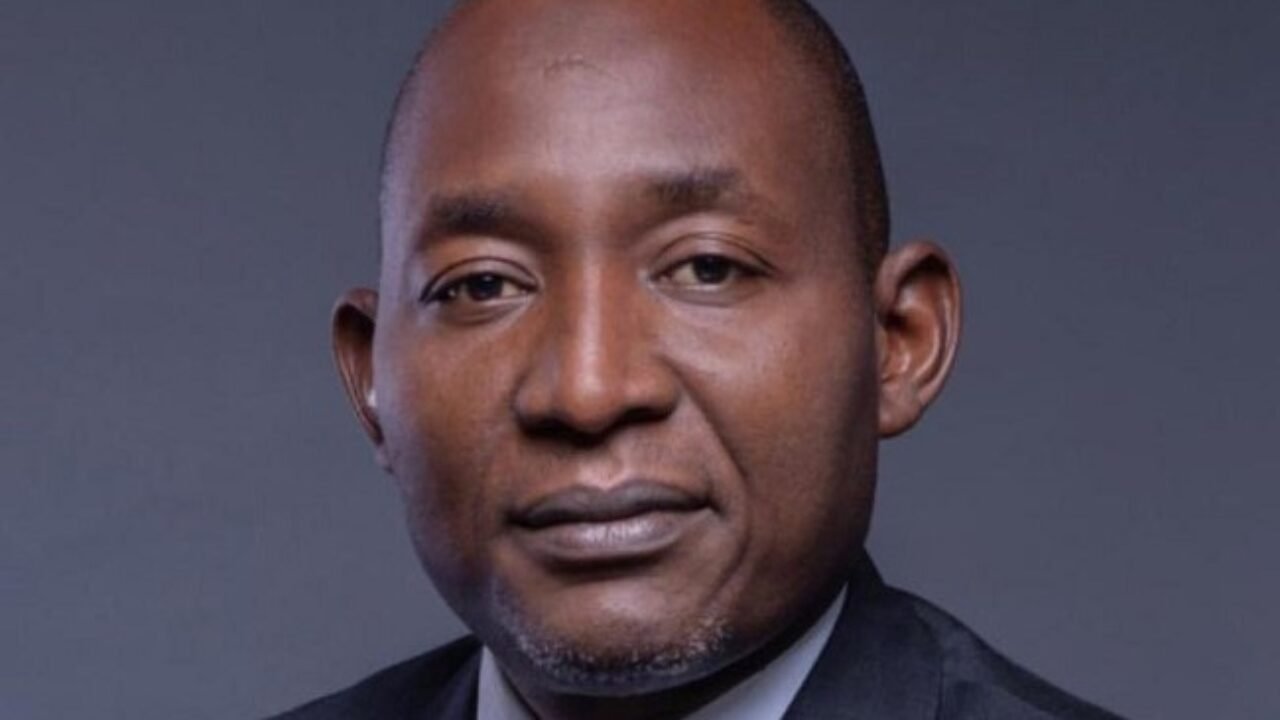
On April 29, 2026, President Bola Ahmed Tinubu nominated Umar to lead the NMDPRA, which was not simply another bureaucratic appointment. It was a statement: the government needs someone who has really created things, mended things, and managed huge commercial organizations through tough transitions. I’m not a career public servant. Not a political placeholder. An operator.
So, who is Rabiu Abdullahi Umar, and does his track record justify the responsibility put on his shoulders? The biography of Rabiu Abdullahi Umar provides answers to both of these issues.
Who is Rabiu Abdullahi Umar?
Rabiu Abdullahi Umar is an accomplished executive with more than 25 years of experience in the energy, industrial, and infrastructure industries. He previously held senior and C-suite positions at some of Nigeria’s most significant corporations, including Oando Plc, Lafarge Africa, Ashaka Cement Plc, and Dangote Industries Limited, before being nominated by President Tinubu to lead the NMDPRA, Nigeria’s primary regulatory body for midstream and downstream petroleum operations.
He’s not a politician. He is not a government careerist who entered public service only via electoral or party devotion. He is a business strategist with over two decades of experience in the commercial engine rooms of Nigeria’s industrial sector.
Early Life and Education
Umar earned a Bachelor of Science in Accounting from Bayero University in Kano between 1995 and 1999. Bayero University, or BUK as it is called locally, is one of Nigeria’s most prestigious universities, notably in the social sciences and professional programs. It was a logical opening chapter for a Kano-born young guy with business and financial drive.
But Umar did not stop there. As his career progressed and his leadership duties increased, he returned to the classroom this time at one of the world’s most prominent executive education institutes. He then studied further executive education at Harvard Business School, where he completed the General Management Program (2013) and Clayton Christensen’s Disruptive Strategy course in 2015.
The Clayton Christensen detail is worth reflecting on. Christensen was the economist who established the thesis of disruptive innovation, which holds that industries are changed not by a frontal assault from equals, but by nimbler, often cheaper competitors striking from the edges. For an executive working in Nigeria’s downstream petroleum and cement sectors, which are always under pressure from regulatory changes, infrastructural deficits, and shifting global commodities markets, researching disruption theory is more than just an academic exercise. It is a practical preparation.
Career Timeline
This is when Rabiu Abdullahi Umar’s biography becomes truly enlightening. His career is not a single lengthy arc at one business; rather, it is a planned development across several industries, with each function building on the last and each organization larger and more sophisticated than the one before.
Oando Plc:
He began his career with Oando Plc, where he moved through the ranks to several managerial roles in the marketing sector. During his tenure, he successfully oversaw a Sales and marketing transformation plan, which improved the company’s commercial operations.
The jobs he held at Oando span over a decade and follow an upward trajectory with actual operational weight:
- Retail Sales Manager: Developing fundamental commercial abilities at the grassroots retail level.
- Non-Fuel Revenue Manager: Expanding income streams outside the main fuel industry.
- Head Retail, Oando (March 2010 – August 2012), earning more than $1 billion in revenue with 600 retail shops nationally.
- Head of Operations, Oando Marketing Plc (May 2012 – October 2013)—managing supply chain, logistics, customer service, engineering, and projects
- Chief Operating Officer, Oando Terminals and Logistics (October 2013 – May 2014)—overseeing petroleum storage and pipeline infrastructure.
Lafarge Africa
Umar made an unexpected career change in 2014, transitioning from petroleum to cement and manufacturing. It was merely a lateral motion on paper.
In 2014, he joined Lafarge Africa Plc as Energy and Power Director, and later became responsible for Strategy and Business Development in West Africa, handling significant projects in Nigeria, Ghana, and Cameroon.
Umar held many high-profile positions at Lafarge Africa, including Energy and Strategy Director (March 2015-March 2016) and Energy and Power Director (June 2014-March 2015). His primary concentration was on energy, electricity, and commercial development in Nigeria and the wider West African area.
This experience at Lafarge was essential for someone who would later be in charge of Nigeria’s petroleum midstream and downstream regulatory system. When you’re on the purchasing end of energy economics, you’re attempting to power a cement mill across three nations with uneven grid supplies and variable fuel costs. That viewpoint, obtained from working within a manufacturing behemoth, is precisely the type of cross-functional knowledge required for a regulatory position like NMDPRA.
Ashaka Cement Plc
He became Managing Director/Chief Executive Officer of Ashaka Cement Plc in 2016, where he oversaw the company’s recovery until leaving in 2019.
Umar served as CEO of Ashaka Cement PLC, a Nigerian Stock Exchange-listed firm, from April 2016 until August 2019. Leading a publicly listed firm, which is simultaneously answerable to shareholders, regulators, and the market, imposes a distinct type of pressure from even top executive positions. The fact that he is portrayed as leading a stable turnaround at this time, rather than merely sustaining an established trend, lends a unique dimension to his leadership profile.
Dangote Industries
Rabiu Abdullahi Umar has been the Group Chief Commercial Officer of Dangote Industries Limited since September 2019. Based in Lagos, he has been in charge of sales and marketing leadership, highlighting his experience in developing large-scale commercial operations.
Dangote Industries is a corporation that does not need any introduction. It is Sub-Saharan Africa’s largest company, with operations in cement, sugar, salt, wheat, and, most important to his NMDPRA position, petroleum refining via the Dangote Refinery. Serving as Group Chief Commercial Officer at a company of that size, as the Dangote Refinery was approaching its most important commissioning phase, put Umar at the crossroads of commercial strategy and energy policy, a position few executives in Nigeria could claim.
Key Career Milestones at a Glance
- 1995–1999 — BSc Accounting, Bayero University, Kano
- Early 2000s–2014 — Multiple roles at Oando Plc, rising to COO, Oando Terminals and Logistics
- 2013 — Harvard Business School, General Management Program
- 2014–2015 — Energy and Power Director, Lafarge Africa Plc
- 2015–2016 — Energy and Strategy Director, Lafarge Africa Plc (West Africa portfolio)
- 2015–present — Harvard Business School, Disruptive Strategy (Clayton Christensen)
- 2016–2019 — MD/CEO, Ashaka Cement Plc (listed on Nigerian Stock Exchange)
- 2019–2026 — Group Chief Commercial Officer, Dangote Industries Limited
- April 29, 2026 — Nominated by President Tinubu as Chief Executive, NMDPRA (pending Senate confirmation)
FAQs: Rabiu Abdullahi Umar Biography
Q1. Who is Rabiu Abdullahi Umar? Rabiu Abdullahi Umar is a Nigerian energy and industrial executive with over 25 years of expertise in the petroleum, cement, and manufacturing industries. On April 29, 2026, President Bola Tinubu named him as the next Chief Executive of the Nigerian Midstream and Downstream Petroleum Regulatory Authority (NMDPRA), subject to Senate approval.
Q2: Where did Rabiu Abdullahi Umar study? He earned a Bachelor of Science in Accounting from Bayero University, Kano (1995-1999). He is also a Harvard Business School alumnus, having completed the General Management Program (2013) and Professor Clayton Christensen’s Disruptive Strategy course.
Q3: Which firms did Rabiu Abdullahi Umar work for? He has worked for Oando Plc (where he rose to the position of COO of Oando Terminals and Logistics), Lafarge Africa Plc (Energy and Power Director, then Energy and Strategy Director for West Africa), Ashaka Cement Plc (MD/CEO from 2016 to 2019), and Dangote Industries Limited (Group Chief Commercial Officer from 2019 to 2026).
Q4: What is the NMDPRA, and what does Rabiu Abdullahi Umar oversee? The Nigerian Midstream and Downstream Petroleum Regulatory Authority (NMDPRA) is a regulatory body formed under the Petroleum Industry Act 2021. It is in charge of the technical and commercial regulation of Nigeria’s midstream and downstream petroleum activities, which include fuel pricing, distribution, pipeline infrastructure, and regulatory compliance across the industry.
Conclusion
The biography of Rabiu Abdullahi Umar is really about serious preparation for significant leadership. He did not get the NMDPRA nomination only via political ties, though such do play a part in Nigerian governmental appointments. He arrived with a résumé that encompasses practically every aspect of what Nigeria’s downstream energy business requires: commercial scale, operational complexity, cross-sector strategy, and specialized expertise in turning around struggling organizations.
Whether it translates into successful regulatory leadership, which requires a distinct set of instincts from business leadership, will be determined in the coming months. The NMDPRA’s mandate is massive, its problems are imminent, and the margin for mistakes in Nigeria’s energy industry is always less than it appears.
