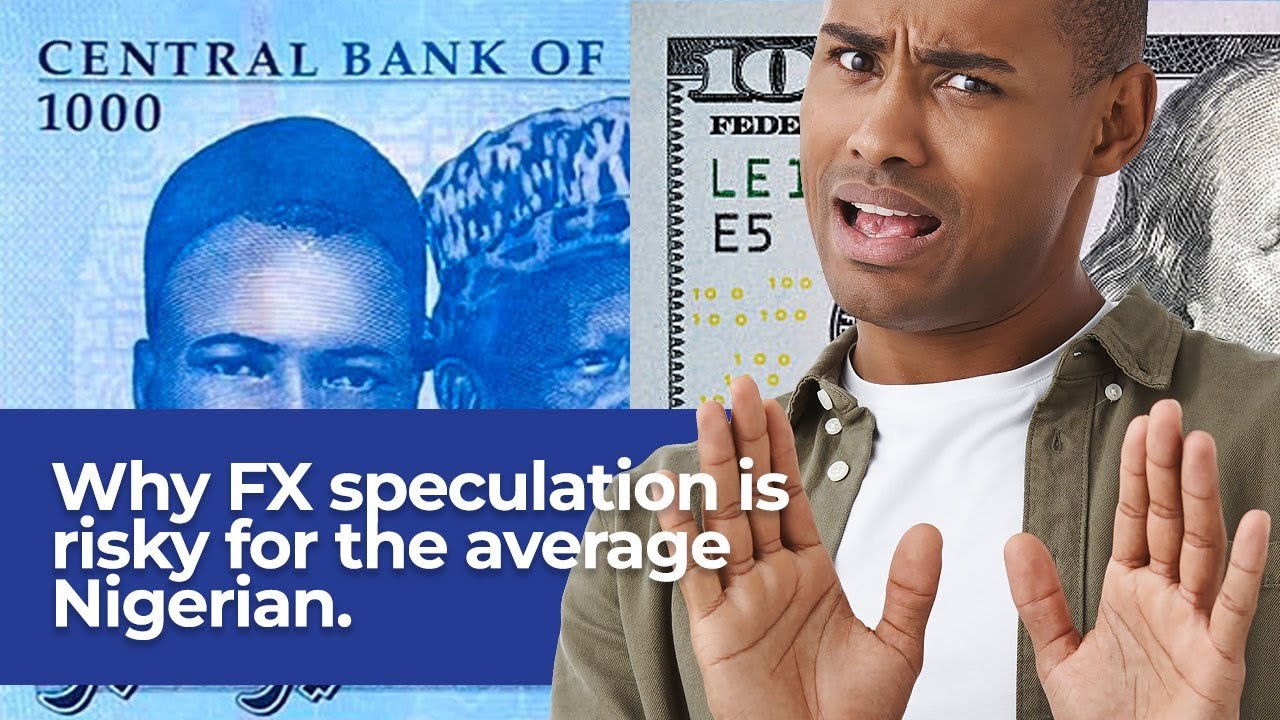
Foreign exchange (FX) speculation simply refers to the buying and selling of currencies with the aim of making profit from changes in exchange rates. In the global financial market, speculative investors closely monitor currency price movements, economic trends, government policies, inflation rates, and geopolitical events in order to predict how currencies may rise or fall in value. By accurately forecasting these movements, traders attempt to generate profits from short-term fluctuations in the foreign exchange market.
Advertisements
FX speculation has become increasingly popular in Nigeria as more people seek alternative sources of income and investment opportunities. The rapid growth of online trading platforms and digital financial services has made it easier for individuals to participate in currency trading directly from their smartphones or computers. Platforms such as Binance, MetaTrader 5, OctaFX, and Forex.com have contributed significantly to the growing awareness of forex trading and speculative investment among Nigerians.
However, despite the increasing interest in FX trading, the ability of many Nigerians to make profitable investments in the foreign exchange market continues to be limited by economic challenges such as low disposable income, rising inflation, and widespread poverty. According to reports by global consulting firms, poverty levels in Nigeria remain high, affecting the financial capacity of millions of citizens to participate effectively in high-risk investment activities.
A report by PwC projected that poverty in Nigeria could rise significantly by 2024, highlighting the difficult economic conditions facing households across the country. While Nigeria’s unemployment rate may appear relatively stable in some reports, low purchasing power and weak consumer spending remain major concerns. Many Nigerians struggle to meet basic living expenses, making it difficult for ordinary retail investors to allocate sufficient capital for speculative trading activities.
In the FX market, speculation involves substantial financial risk. Even experienced traders who monitor exchange rate movements professionally are not guaranteed success. Currency prices can fluctuate rapidly due to economic announcements, central bank policies, inflation data, political instability, and international market sentiment. These unpredictable movements can lead to heavy financial losses if trades move against investors’ expectations.
Advertisements
Speculative investors often prioritize short-term gains over long-term investment strategies. For example, if a currency is perceived as overvalued, investors may begin selling large quantities of that currency in anticipation of a future decline in value. This increased selling pressure can eventually cause the currency’s price to fall. Such market behavior is common in both international forex markets and local currency exchange systems.
In Nigeria, the foreign exchange market also faces additional challenges linked to the black market for currencies. Many Nigerians turn to parallel or black market exchange platforms for legitimate purposes such as obtaining foreign currency for travel, tuition payments, international business transactions, and online purchases. However, the black market has also become associated with illegal activities including financial fraud, currency manipulation, arbitrage, and indiscriminate round-tripping.
Round-tripping occurs when individuals or organizations exploit differences between official and unofficial exchange rates to generate unfair profits. These practices contribute to exchange rate instability and increase pressure on Nigeria’s financial system. Regulatory authorities and financial institutions continue working to reduce these activities while encouraging greater transparency within the foreign exchange market.
FX Market Analysis
Statistics show that speculative trading remains highly challenging for most participants. Studies indicate that many traders struggle to achieve consistent profitability in the forex market. Within the first two years of trading, approximately 80 percent of day traders quit due to financial losses, emotional pressure, and lack of proper risk management strategies. Around 40 percent stop trading within the first month, while only a small percentage continue after several years.
After three years, only about 13 percent of traders remain active, and after five years, the number drops further to around 7 percent. These statistics demonstrate the highly competitive and risky nature of speculative trading. Despite these odds, successful trades can still generate significant returns, with profitable trades often producing higher gains than losing trades.
Research also shows that approximately 60 percent of trades may end profitably while 40 percent result in losses. However, profitability in trading is not determined solely by the number of winning trades but also by effective risk management, position sizing, emotional discipline, and overall trading strategy.
Advertisements
It is important to understand that speculative trading is not reserved only for financial professionals or institutional investors. Beginners and novice traders can also participate in forex trading through online platforms and educational resources. However, success in the FX market requires substantial knowledge, experience, and discipline. Both professionals and beginners must understand the risks involved before committing funds to speculative investments.
Before entering speculative trading, investors are advised to learn about market trends, technical analysis, chart patterns, economic indicators, and risk management techniques. Technical analysis involves studying historical price movements and trading patterns to forecast future market behavior. Traders often use charts, indicators, and analytical tools to make informed decisions.
Risk management is another critical aspect of successful trading. Many experienced traders emphasize the importance of protecting capital by limiting losses through stop-loss orders, proper leverage management, and disciplined trading plans. Emotional control is equally important because fear and greed often influence poor trading decisions during volatile market conditions.
Statistics indicate that only about 1.6 percent of day traders achieve long-term profitability over the course of a year. Nevertheless, these traders account for a significant share of daily trading activity in global financial markets. This highlights the reality that while many individuals participate in speculative trading, only a small minority consistently succeed.
Speculators frequently face intense pressure during periods of market volatility. Sudden currency fluctuations can rapidly reduce portfolio values, especially for traders using high leverage. In contrast, long-term investors who focus on diversified investments and gradual wealth accumulation may demonstrate greater resilience during unstable market conditions.
Although FX speculation offers the possibility of high rewards, it also carries significant financial risks. Successful forex trading often requires substantial trading capital, effective strategy development, emotional discipline, and deep understanding of global economic conditions. Without these elements, speculative investors may experience repeated losses and financial difficulties.
Platforms such as TradingView and Investopedia provide educational materials, market analysis, and trading resources for individuals interested in learning more about forex trading and speculative investments.
In conclusion, foreign exchange speculation remains a high-risk but potentially rewarding activity for investors willing to study market behavior and manage risk carefully. While Nigeria’s economic conditions, poverty levels, and currency instability create additional challenges for retail investors, interest in forex trading continues to grow due to increased digital access and global financial connectivity. Whether professional or beginner, anyone entering the FX market must prioritize education, discipline, risk management, and long-term financial planning in order to improve their chances of success.
Do you love what you just read? Follow our social media pages to get our latest exclusive contents. You can also subscribe to our newsletter to receive the latest updates directly in your email inbox.